
IRCC issued new program delivery instructions clarifying how changes to a Sponsorship Agreement Holder’s (SAH) status affect processing of in‑process refugee sponsorship caseloads and outlining criteria that may trigger status changes. The informational update sets out resolution pathways and next steps to improve consistency and transparency for sponsors and officers, though affected files may face short‑term delays.
Soheil Hosseini
September 29, 2025
Jurisdiction
Federal
Week
Week 40
Impact
Low
Programs Affected
IRCC issues new instructions on Sponsorship Agreement Holder status changes, criteria and caseload processing
Summary: Immigration, Refugees and Citizenship Canada (IRCC) has released new program delivery instructions detailing how changes to a Sponsorship Agreement Holder’s (SAH) agreement status affect the processing of in‑process refugee sponsorship cases, alongside criteria that may trigger status changes and pathways to resolution. The update is informational and aimed at ensuring consistent case handling across the SAH network.
Date of update: 2025-09-29
Source: IRCC
Program affected: Sponsorship, Refugees
Urgency: Informational IRCC has published new internal policy and procedural guidance—posted publicly as a courtesy to stakeholders—on SAH agreement actions. The instructions clarify how a change in a SAH’s Sponsorship Agreement status will impact the processing of its in‑process caseload, outline criteria that may lead to a status change, and set out the pathway to resolution and next steps. Key details:
- Scope: Sponsorship Agreement Holder (SAH) agreement actions
- What’s new: Instructions on the impact of SAH status changes on in‑process caseloads
- Criteria included: Factors that may lead to a SAH status change, plus resolution pathways and next steps
- Programs: Sponsorship, Refugees
- Source: IRCC
- Date: 2025-09-29
- Nature: Program delivery update; informational Independent analysis:
- Potential positives: The guidance should improve transparency and consistency in processing when a SAH’s status changes, reduce uncertainty for officers and sponsors, and provide predictable pathways to resolution, which may strengthen program integrity and compliance.
- Potential negatives: Status changes could still slow processing for affected in‑process cases and impose administrative burdens on sponsors while they navigate resolution steps. Short‑term uncertainty for sponsored refugees may persist during transitions.
- Practical takeaway: Stakeholders—especially SAHs—should review the new instructions on IRCC’s website to understand triggers for status changes and how ongoing files will be managed under the revised guidance.
Closing:
This IRCC update formalizes how SAH status changes are handled operationally, offering clearer criteria and processes that can help sponsors and applicants anticipate next steps while maintaining program integrity.
Tags: Canada immigration, IRCC, Sponsorship Agreement Holder, SAH, refugee sponsorship, program delivery update, caseload processing, policy guidance, Canadian refugees, immigration compliance, administrative law, legal update
Categories
Share This Post
Stay Updated with Immigration News
Get the latest updates on Express Entry draws, OINP invitations, policy changes, and more delivered to your inbox.
We respect your privacy. Unsubscribe at any time.
Related Articles

NOC 33102 Institutional Only
OINP confirms NOC 33102 applies only to nurse-aide roles primarily performed in institutional settings (hospitals, nursing homes, assisted-care and other health establishments); home-based care must be classified as NOC 44101. Employers and applicants should update job offers, contracts and postings to the correct NOC to avoid application delays or refusals.

FMCSP Renewal Rules
On 2026-09-24 IRCC updated the Francophone Minority Communities Student Pilot, adding financial requirements for study‑permit renewals and explicitly accepting valid LOAs or other proof of continued enrolment. The guidance also clarifies extension rules for accompanying family members and confirms participants retain FMCSP designation while meeting eligibility.
90-Day Grace Period
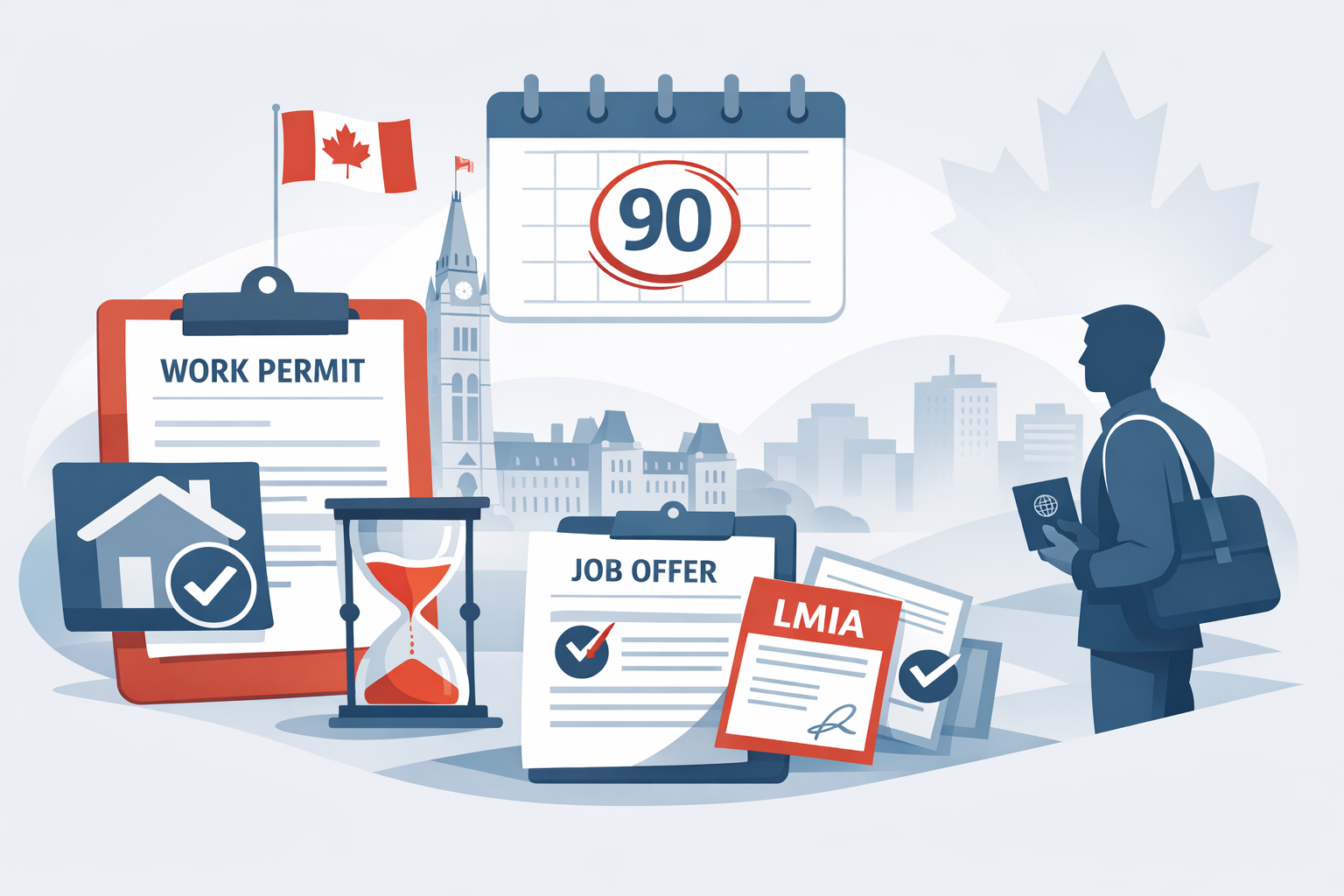
IRCC extends concurrent processing grace period for eligible in‑Canada LMIA‑dependent work‑permit extension applications from 60 to 90 days, holding applications without decision to allow a pending LMIA (and CAQ, if required) to be issued. A new client flagging process (use tracking code CPTS2026 in the intended occupation) identifies files for concurrent processing; eligibility hinges on permit expiry window, timely LMIA filing, and LMIA validity.

IRCC A70 Guidance
IRCC standardized and reorganized R207 – A70 guidance for in‑Canada PR applicants under the International Mobility Program—new landing page, clarified instructions and consistent format. Affects protected persons, family members and H&C applicants; procedural/formatting update only, no substantive eligibility changes.